



Product Description
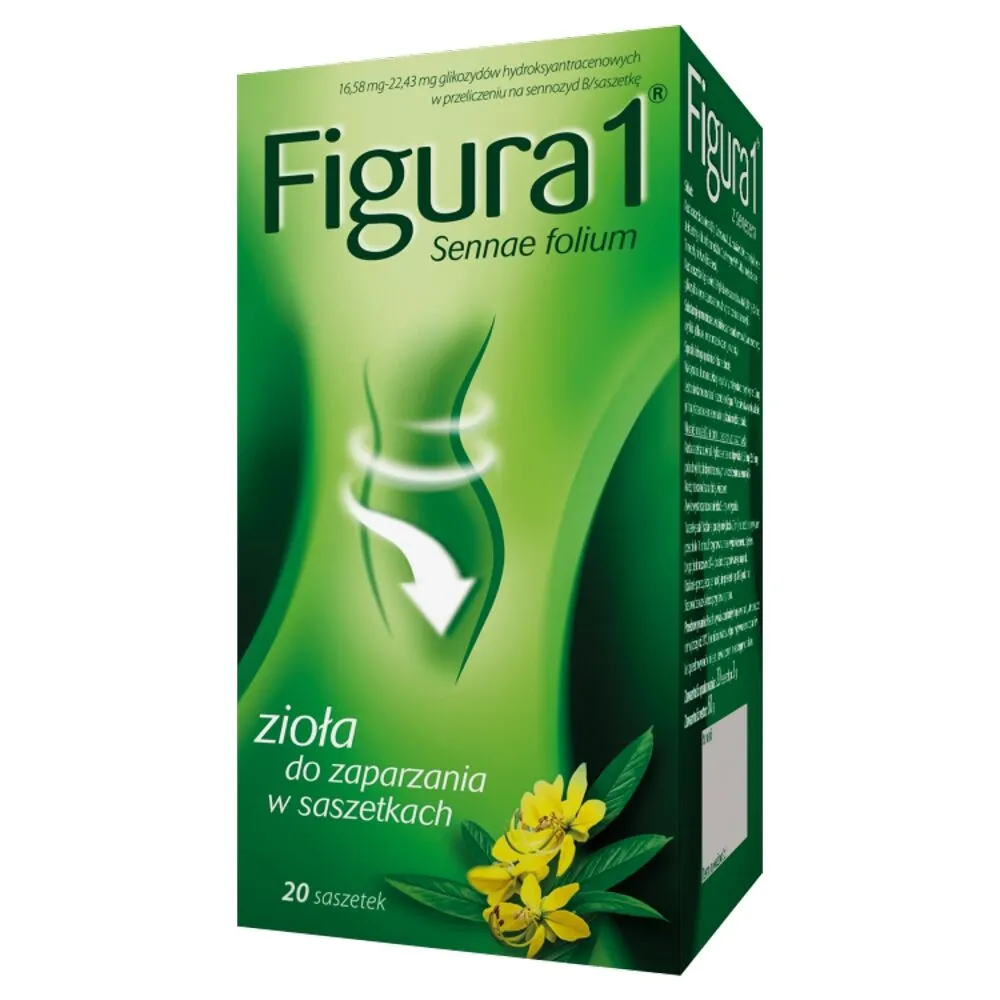
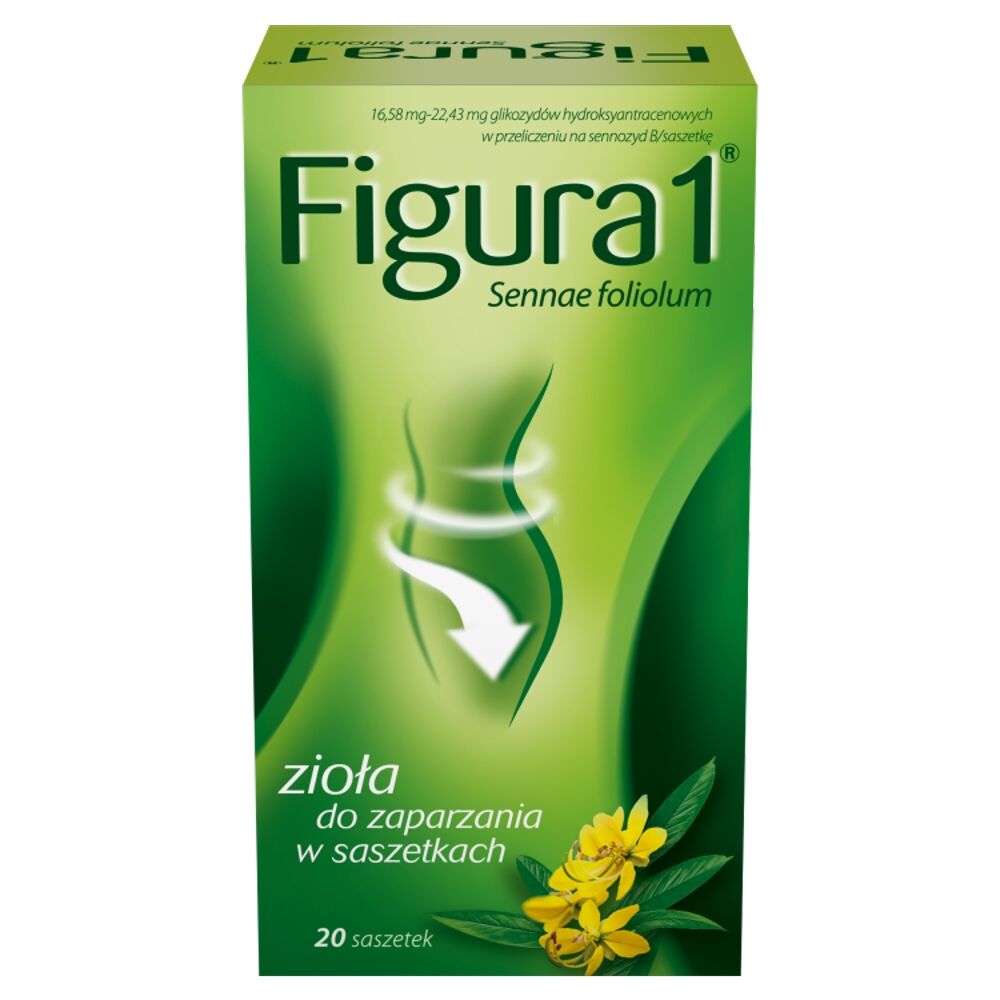
Figure 1 Herbs For Infusion 20 Sachets
Indications
As a laxative intended for short-term use in occasional constipation.
Dosage
The maximum daily dose of hydroxyanthracene glycosides is 30 mg. This is the equivalent of 1 sachet of the medicinal product. The appropriate individual dose is the lowest dose necessary to obtain soft stools. Adolescents over 12 years of age, adults and elderly patients: 1 sachet contains 0.9 g of senna leaf, which corresponds to 16.58-22.43 mg of hydroxyanthracene derivatives calculated as sennoside B. The medicinal product should be used once a day, in the evening. It is usually sufficient to use the product 2-3 times a week. Do not use in children under 12 years of age.
Notes
Pour 1 sachet with a glass of hot water (approximately 200 ml) and infuse, covered, for approximately 10 minutes. Drink the prepared infusion in the evening, after a meal (drink 2/3 of the entire infusion at once). The laxative effect occurs on average after 8-12 hours. Always use a freshly prepared infusion. Use for longer than 1-2 weeks requires medical supervision. If symptoms persist during the use of the medicinal product, consult a doctor or other qualified healthcare professional.
Contraindications
Hypersensitivity to the active substance or any of the excipients. Intestinal obstruction, stenosis or atony, inflammatory diseases of the colon (e.g., Crohn's disease, ulcerative colitis), abdominal pain of unknown cause, appendicitis, severe dehydration with electrolyte loss. Children under 12 years of age.
Adverse reactions
Hypersensitivity reactions (itching, hives, local or generalized rash) may occur. Senna leaves may cause abdominal pain and cramps and watery stools, especially in patients with irritable bowel syndrome. Such symptoms can often result from an overdose of the drug, and in such cases the dose should be reduced. Long-term use may lead to disturbances in water and electrolyte balance and lead to the development of proteinuria and hematuria. Furthermore, chronic use of the product may cause reversible pigmentation changes in the colon mucosa (pseudomelanosis coli), which usually disappear after discontinuation of the medicinal product. Taking this medicinal product may cause urine discoloration (yellow or reddish-brown, depending on urine pH), but this symptom is not clinically significant.
Overdose
The main symptoms of overdose or abuse are severe abdominal pain and acute diarrhea, causing loss of water and electrolytes, which should be replaced. Diarrhea can especially cause potassium loss, which can lead to heart disorders and decreased muscle strength, especially when cardiac glycosides, diuretics, adrenocorticosteroids, or licorice root products are used concomitantly. Supportive therapy with intensive hydration should be provided. Electrolyte levels, especially potassium, should be monitored. This is particularly important in the elderly. Prolonged use of high doses of anthranoid-containing medicinal products may lead to toxic hepatitis.
Comment