



Product Description
See why Carmex is Hollywood's favorite lip balm
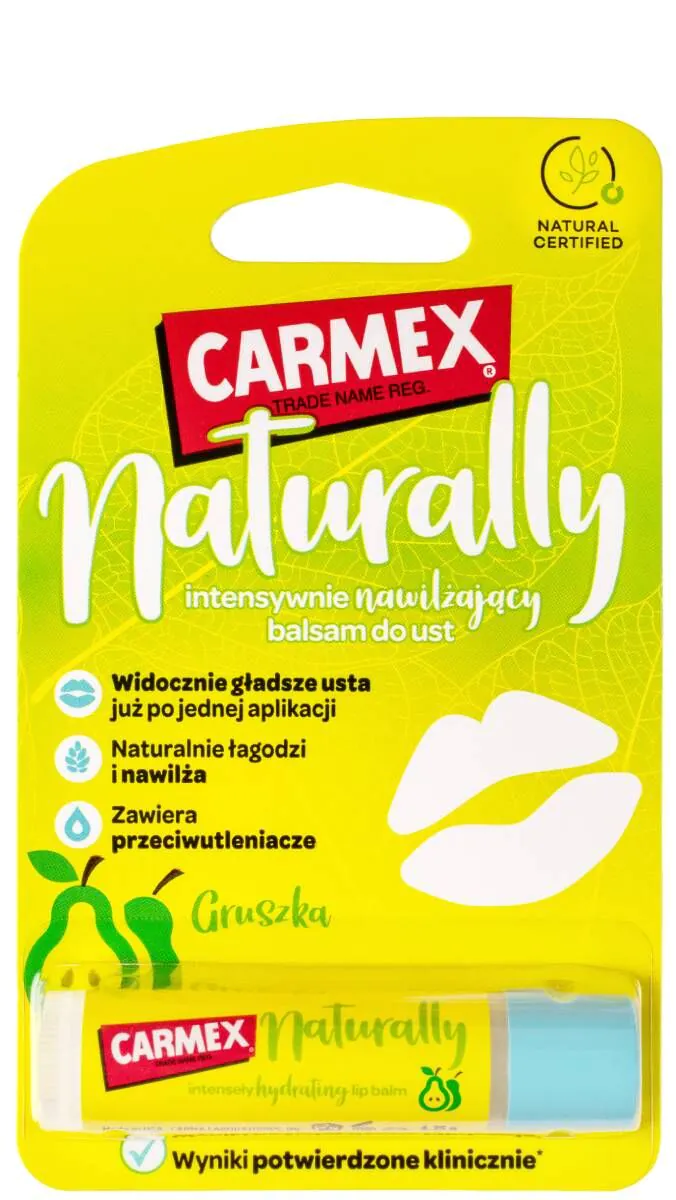
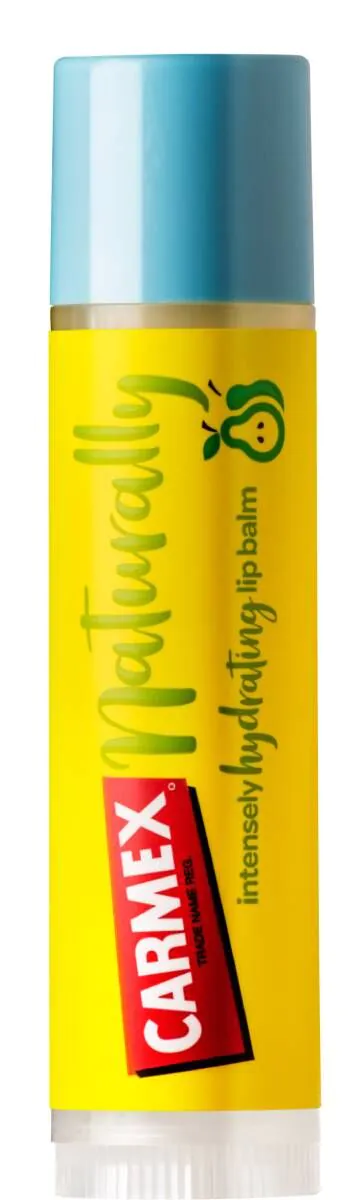
Carmex Naturally is over 93% natural.* This fast-acting little beauty is clinically proven to leave lips soft and smooth after just one use. If you don't want to wait long, try Carmex Naturally Pear lip balm and see how quickly and intensely it moisturizes. It absorbs quickly and locks in moisture for longer. Smooths, soothes and moisturizes... naturally!
*93.99% Naturally derived ingredients.
What active ingredients will you find in Carmex Naturally Pear lip stick?
The product's formula consists of colloidal oatmeal, which soothes dry lips and gives them elasticity. Pure Cupuacu and Murumuru fruit butters, which provide strong antioxidant protection. In addition, the formula is enriched with bleached beeswax, which gives the cosmetic a thick consistency. Beeswax prevents water loss from the skin, regenerates, nourishes, and improves elasticity.
Carmex Naturally Pear Lip Balm - key features:
- Carmex Naturally Pear lip balm smoothes, soothes, and moisturizes.
- Suitable for all skin types, especially dry and chapped skin.
- Juicy pear scent.
- Absorps quickly and works immediately.
- Composed of over 93% natural ingredients.
How to use Carmex Naturally Pear lip balm?
Apply the balm generously and evenly. Use it regularly, especially before and after exposure to sun, wind, or low temperatures. Use daily, applying a fresh layer of balm periodically – this will keep your lips healthy, well-cared for, and beautiful.
About Carmex
Suffering from chapped and cracked lips, Alfred Woelbing invented Carmex® lip balm in the USA in the early 1930s. The Woelbing family still runs the company today, and Carmex has become one of the most valued lip balms in the world. Carmex's unique formula contains special ingredients that create the classic tingling sensation that lets you know Carmex is working effectively to soothe, moisturize, and protect chapped, cracked lips. For twenty years, Carmex has consistently been ranked as the #1 "most recommended brand by pharmacists" in the USA.
Comment